

Contemporary manufacturing requires functions that deliver powerful, tough, and accurately developed plastic components for different industries. Among these techniques, Rotomolding is becoming a fruitful alternative for providing top quality hollow plastic products and services with regular results. That production technique presents freedom in style, cost effectiveness, and excellent substance circulation, rendering it suitable for developing a wide range of professional and professional components.
Understanding the Rotomolding Process
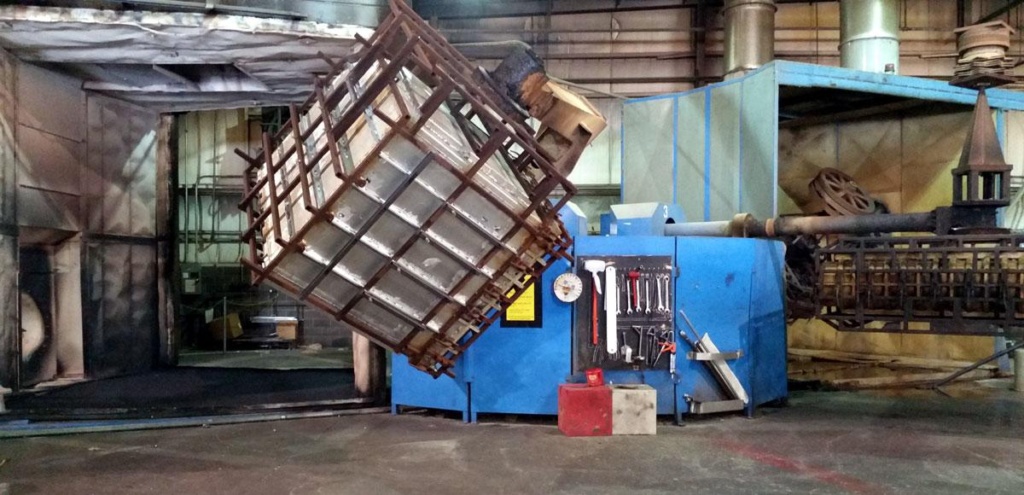
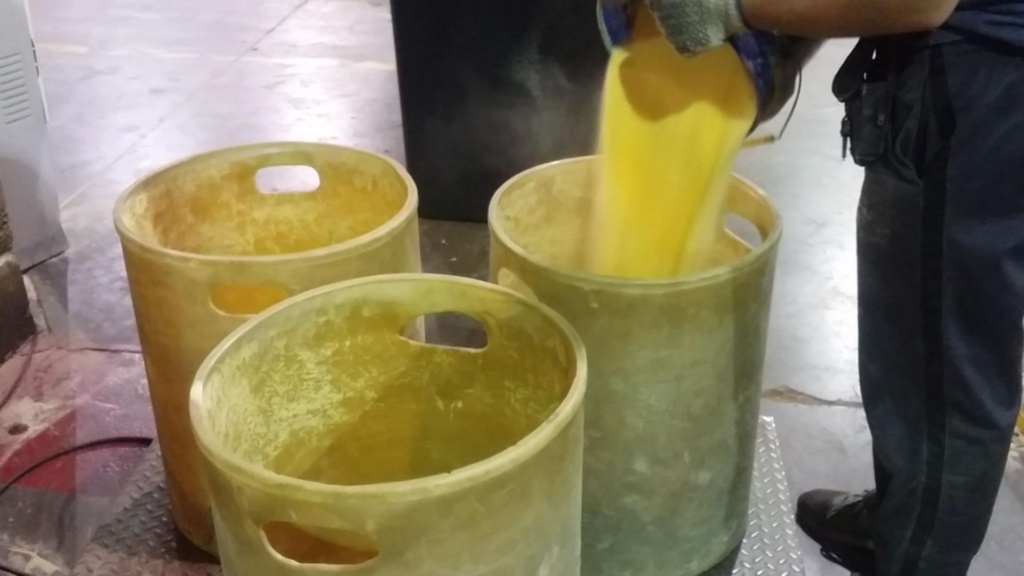
Rotational molding is a production method that uses heat and turning to create plastic products. During the process, powdered plastic-type material is placed inside a form, which can be then heated while turning slowly along multiple axes.
As the mold rotates, the plastic-type touches and advances evenly over the inner surface. This creates a standard wall thickness and a solid finished product. Following cooling, the cast component is removed from the mold and prepared for further use.
The method enables makers to generate complex shapes without requesting high-pressure equipment, making it an efficient creation method.
Advantages of Rotational Molding
Among the important advantages of rotational molding is their power to produce tough plastic components with outstanding architectural strength. The even distribution of substance assists build products and services that could tolerate typical use, influence, and environmental conditions.
The method also offers style flexibility. Manufacturers can produce large, empty, or distinctly formed components while maintaining regular quality. That makes rotational molding ideal for products that require certain proportions and customized features.
Another gain is paid off product waste. The controlled molding method uses only the necessary amount of plastic material, supporting increase creation efficiency.
Design Mobility and Custom Answers
Rotational molding helps a wide variety of product designs. Suppliers can incorporate various forms, textures, and surface completes based on certain requirements.
The capacity to generate easy useless elements is especially valuable for applications where strength and longevity are important. Complex styles can be produced without the need for multiple construction steps, reducing creation time and increasing reliability.
Modification alternatives let corporations to create parts that fit their practical and artistic needs.
Applications of Rotomolded Components
Rotationally shaped products are employed across several industries because of their durability and versatility. They is found in storage solutions, commercial pots, transportation components, protective equipment, and numerous specialized applications.
The power and light nature of shaped plastic components cause them to become useful in settings where performance and consistency are essential.
The manufacturing approach remains to grow as industries look for effective methods to make long-lasting plastic products.
Quality and Manufacturing Effectiveness
Quality get a handle on is a significant area of the rotational molding process. Cautious tracking of heat, turning rate, and material circulation assists ensure consistent item performance.
The process supports effective manufacturing while sustaining large standards for durability and accuracy. Producers can make reliable parts that match particular requirements without pointless complexity.
The mix of performance and quality makes rotational molding a chosen selection for several plastic production needs.
Potential of Rotational Production
As industries continue to demand light, durable, and cost-effective alternatives, rotational molding stays a significant manufacturing technology. Developments in materials, style methods, and manufacturing practices carry on to enhance the functions with this process.
The capability to build strong and customized plastic parts guarantees that rotational molding can remain valuable for potential production applications.
Realization
Rotational molding offers an effective method of providing durable and precision-designed plastic components. With advantages such as for instance style flexibility, product effectiveness, and powerful solution efficiency, the process supports a wide range of production requirements. By mixing impressive techniques with careful quality control, rotational molding continues to supply trusted alternatives for industries seeking practical and long-lasting plastic products.